Grocery-store red onions went into our first strip, one per egg cell, each as big as a tennis ball. Within a few weeks every one had a thick hollow flower stalk, and not one made a new bulb.
You’ll also love: How to Grow a Side Yard Watermelon Garden on Pallets, How to Build a Fence Gutter Garden with Three Tiers, How to Build a 5-Tier Wooden Pyramid Raised Bed for Vegetables.
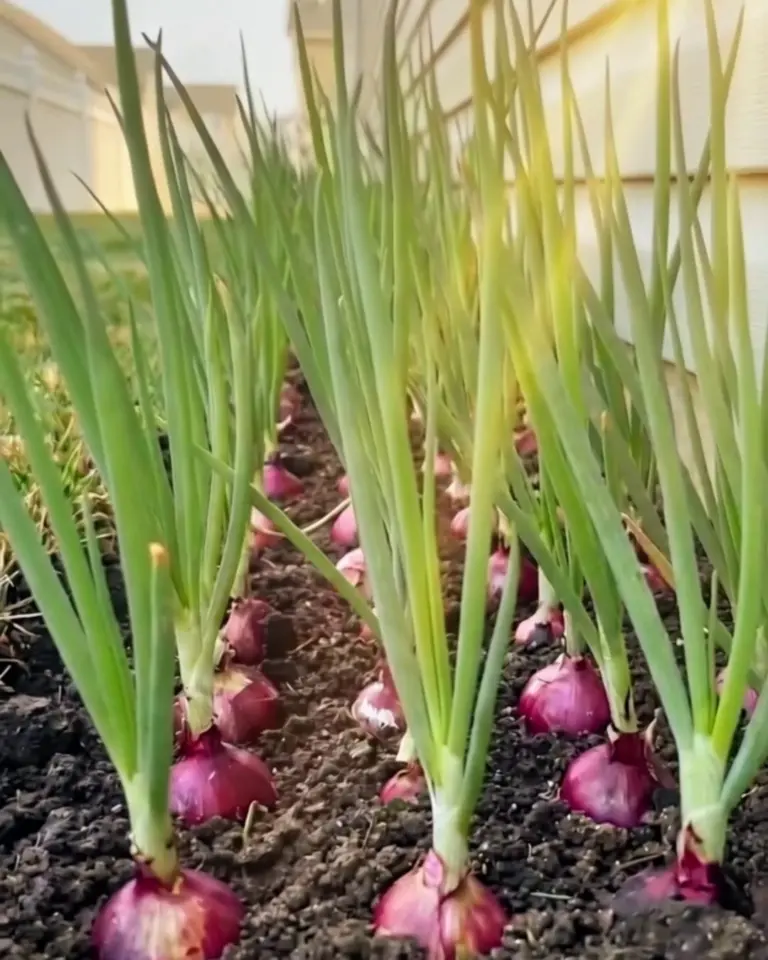
The strip that worked uses red onion sets, the marble-sized bulbs sold by the pound, one in every other cell of sixteen paper egg flats laid in a shallow trench along the house. It’s the easiest way we’ve found to grow red onions in a strip of lawn nobody used.
A neighbor asked if the egg flats were a joke. A month later the same neighbor asked for the thinnings.
Wet paper flats smell like a wet cereal box, and pulling the thinnings fills the side yard with onion.
What the Egg Flats Actually Do
The cells are a planting guide. Each one holds a set upright at the same depth and spacing, and the paper softens in the wet soil and rots away under the onions.
We expected the flats to keep weeds down. They don’t, much; the compost on top does more.
A strip against the house gets less rain than the open lawn, because the eaves throw it past.
Materials & Tools
Not in the $115: a spade, a rake, a wheelbarrow and a tub for soaking the flats.
Sets, not supermarket onions: a full-size onion planted whole mostly goes to flower. Buy sets labeled for your region, since onions bulb according to day length.
Not enough sun here? Onions want full sun.
If the side yard is shaded half the day, a bed out in the open, like the tiers of our cinder block pyramid garden, does better.
Watch the Build
Step by Step
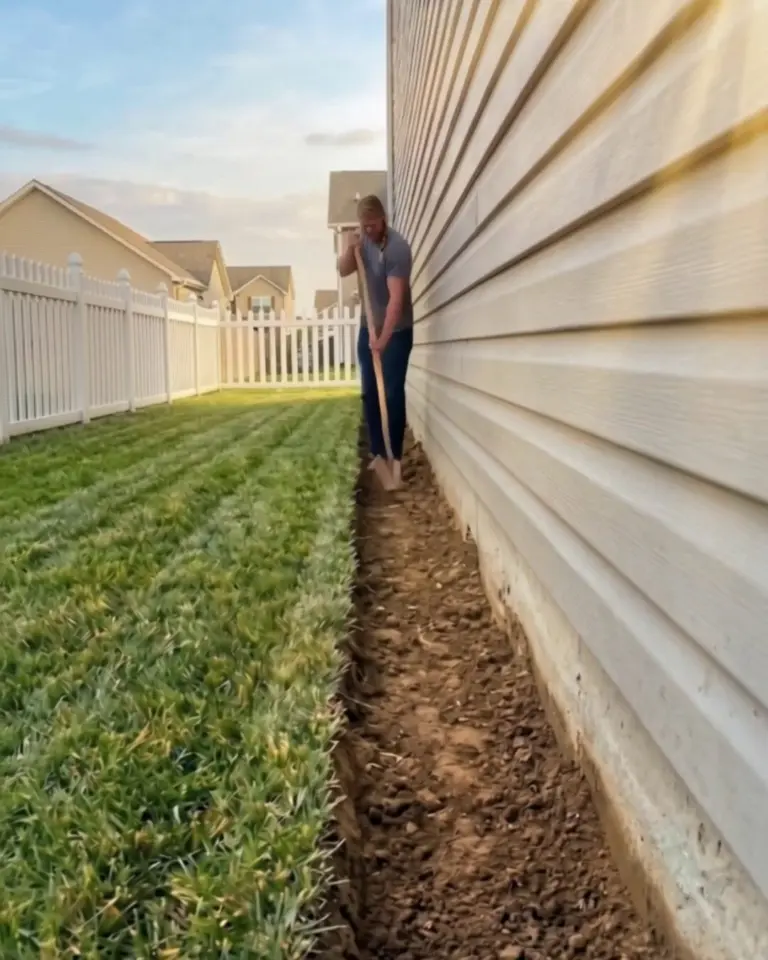
Step 1Cut the strip
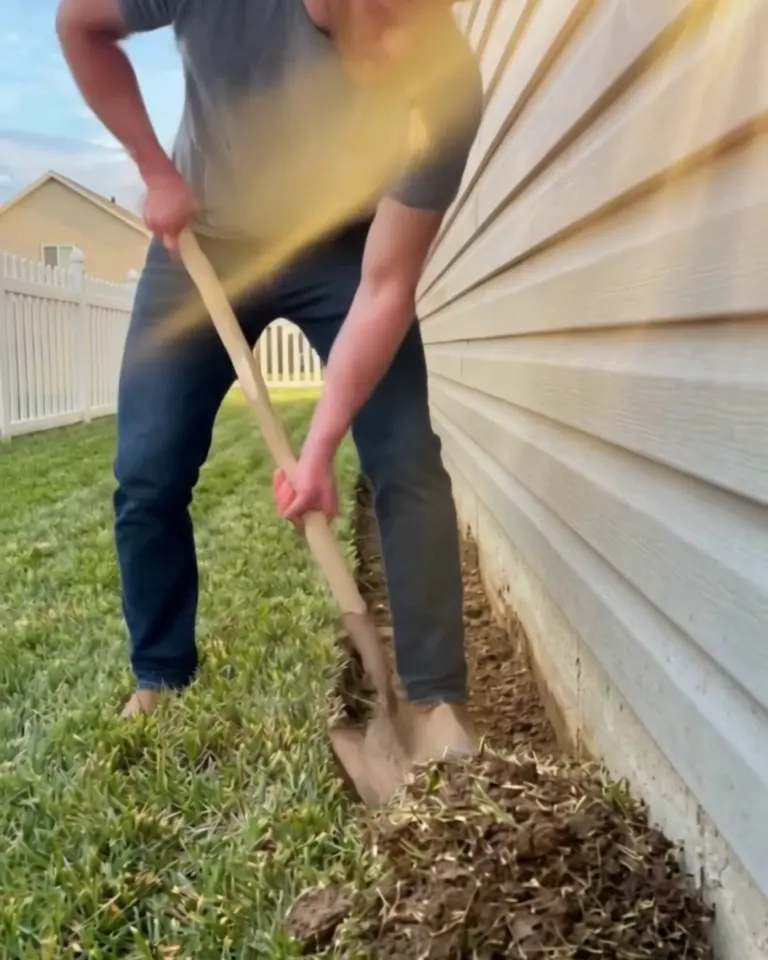
Cut the sod along a line 12 inches out from the house wall with the edger, and lift it off in strips with the spade. Loosen the soil underneath about 6 inches deep.
Shake the soil off the sod strips and stack them grass-side down somewhere out of the way. They rot into good soil by next year.
Step 2Shape the trench
Rake the strip into a shallow trench about 3 inches deep, falling slightly away from the house, with the finished soil at least 6 inches below the siding. Mix 2 inches of compost and a handful of fertilizer per few feet into the bottom.
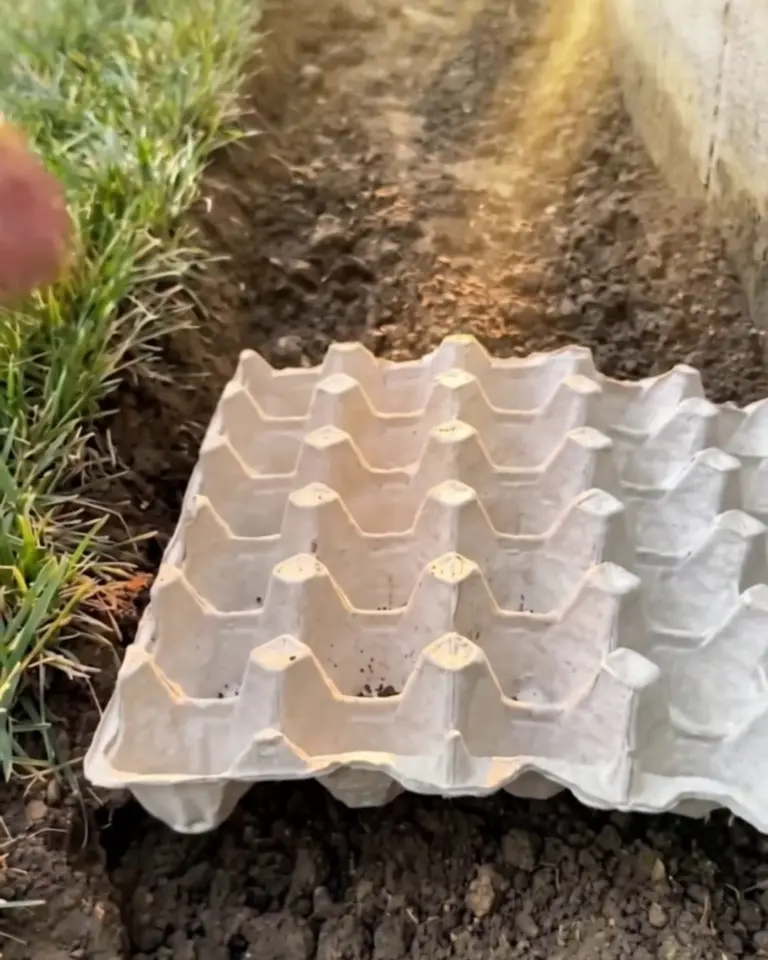
Step 3Lay the first flat
Dunk each flat in a tub of water for a minute so it softens and lies flat. Press the first one into the trench, cups facing up.
Wet paper tears if you drag it, so lift each flat into place rather than sliding it.
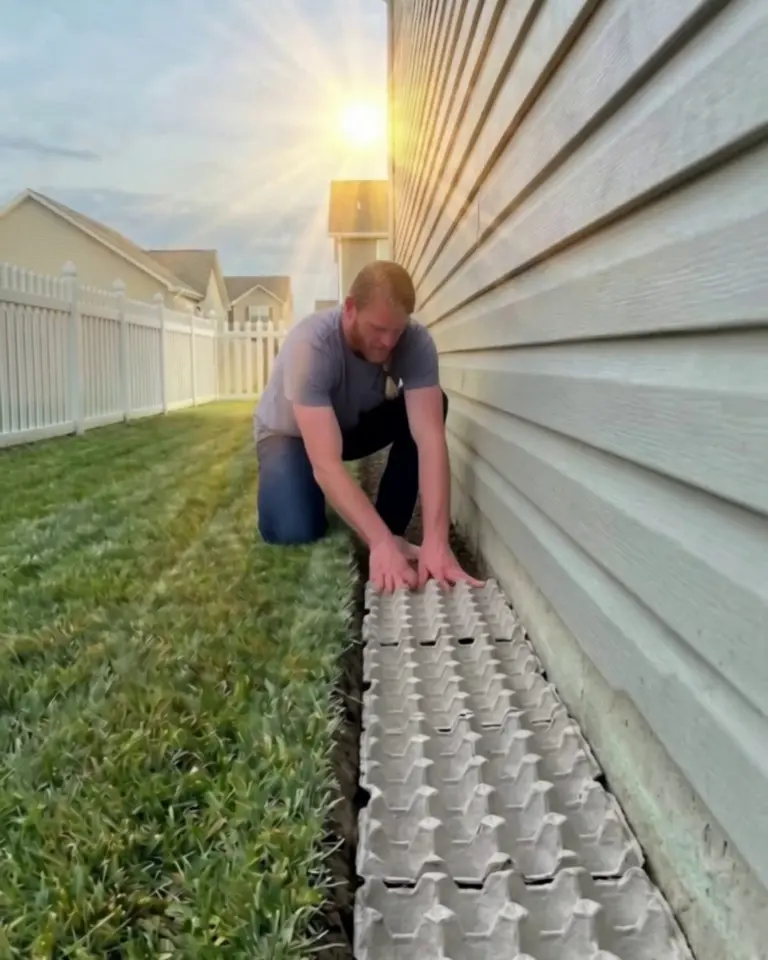
Step 4Line the strip
Butt the flats end to end down the whole 16 feet. Trim the last one with scissors to fit.
Sixteen flats cover the strip in one row. If your strip is wider than a flat, lay a second row beside the first rather than spacing them apart.
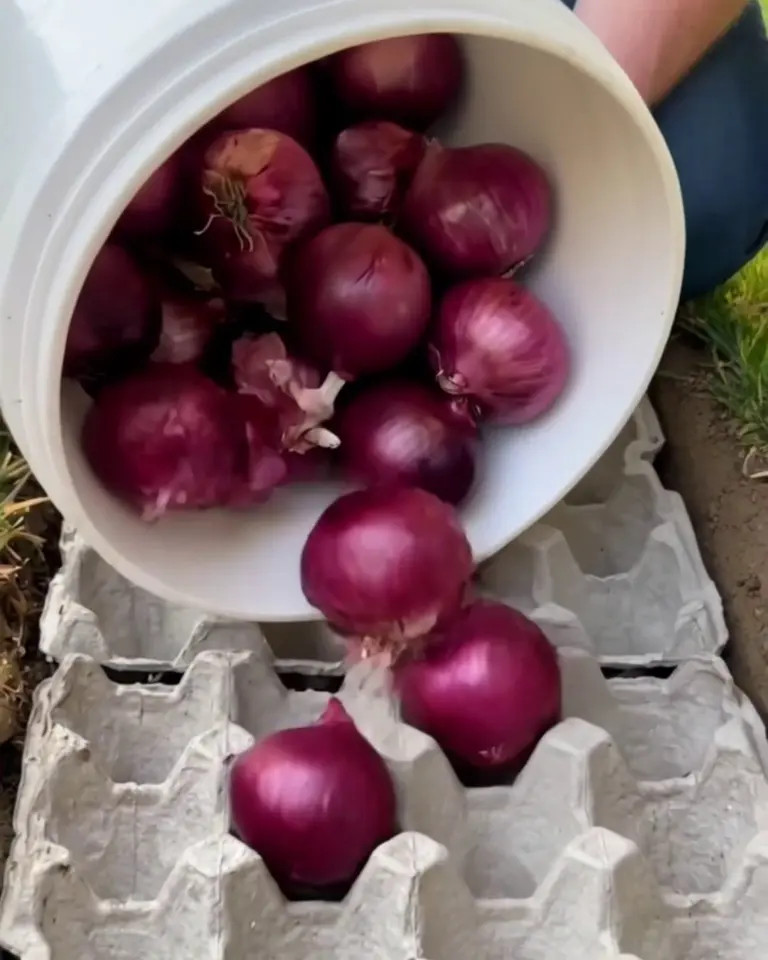
Step 5Set the onions
Push a set, pointed end up, into every other cell in a checkerboard, about 15 to a flat. Press each one down so only the tip shows.
Ohio State’s onion fact sheet puts sets 1 to 2 inches deep and 2 to 3 inches apart, which is about what the checkerboard gives.
Step 6Check the row
Walk the strip and fill any empty cells you missed. Pick out any soft or sprouting sets; they rot or bolt.
Sets bigger than a large marble are the ones most likely to flower. Plant those at one end and pull them early as green onions.
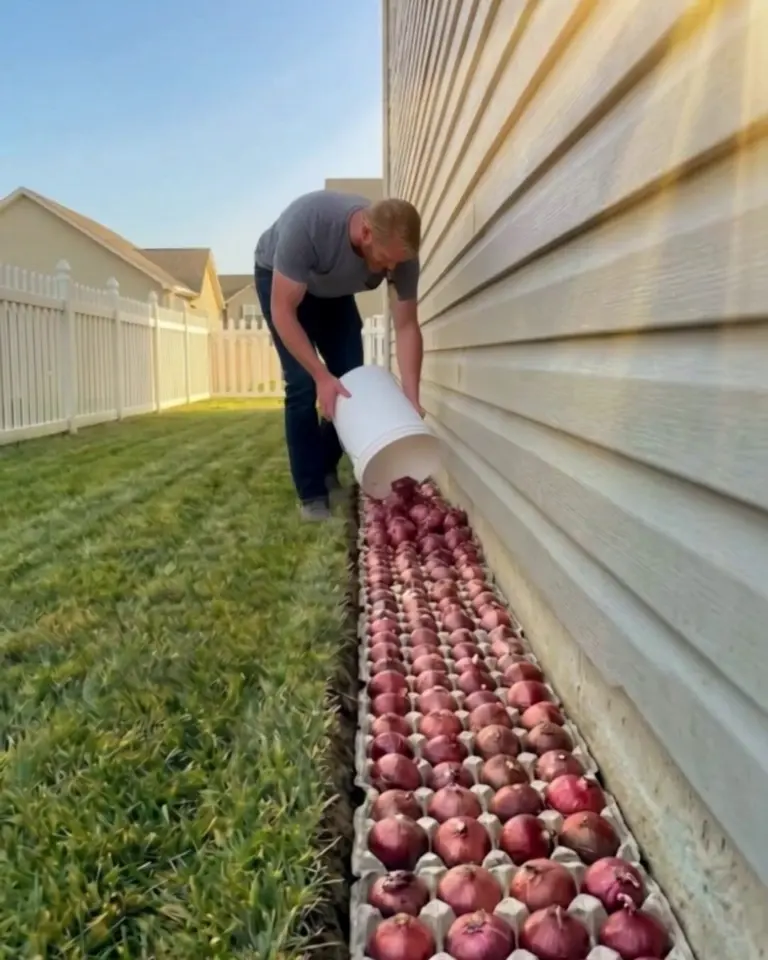
Step 7Cover with compost
Spread about an inch of compost over the flats, enough to hide the paper and leave the onion tips just showing.
Birds sometimes pull up fresh sets to look underneath. Push any you find back in; a light sheet of row cover for the first two weeks stops it.
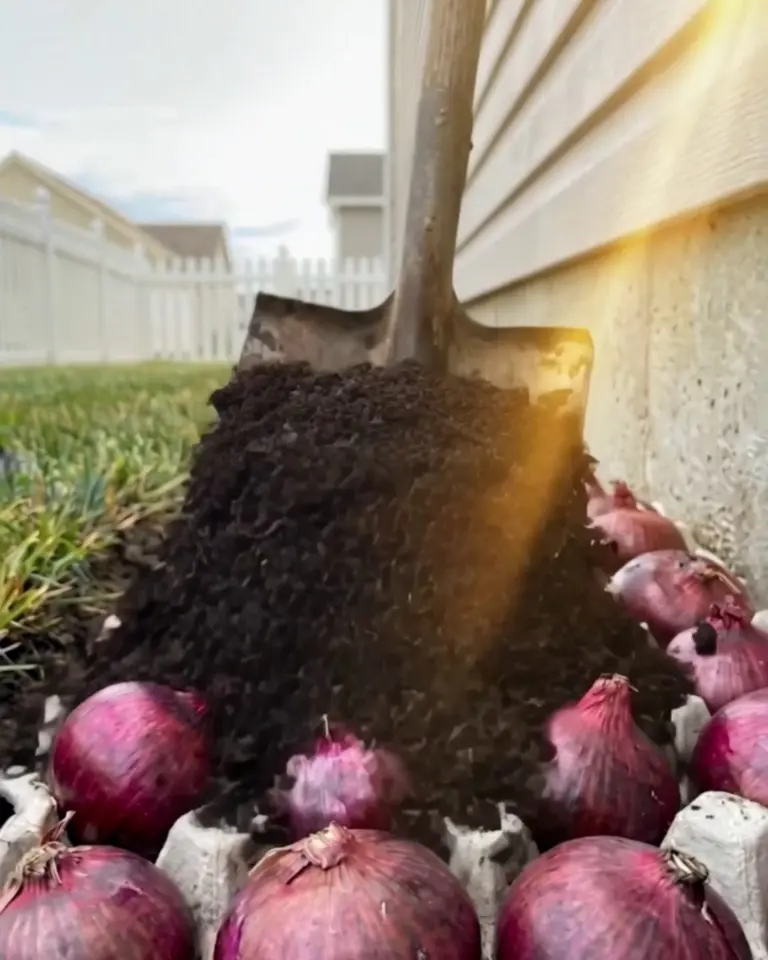
Step 8Water it in
Soak the strip slowly until water runs out the far end, then lay the soaker hose down the middle and cover it with straw. After that, about an inch of water a week; this strip misses most rain.
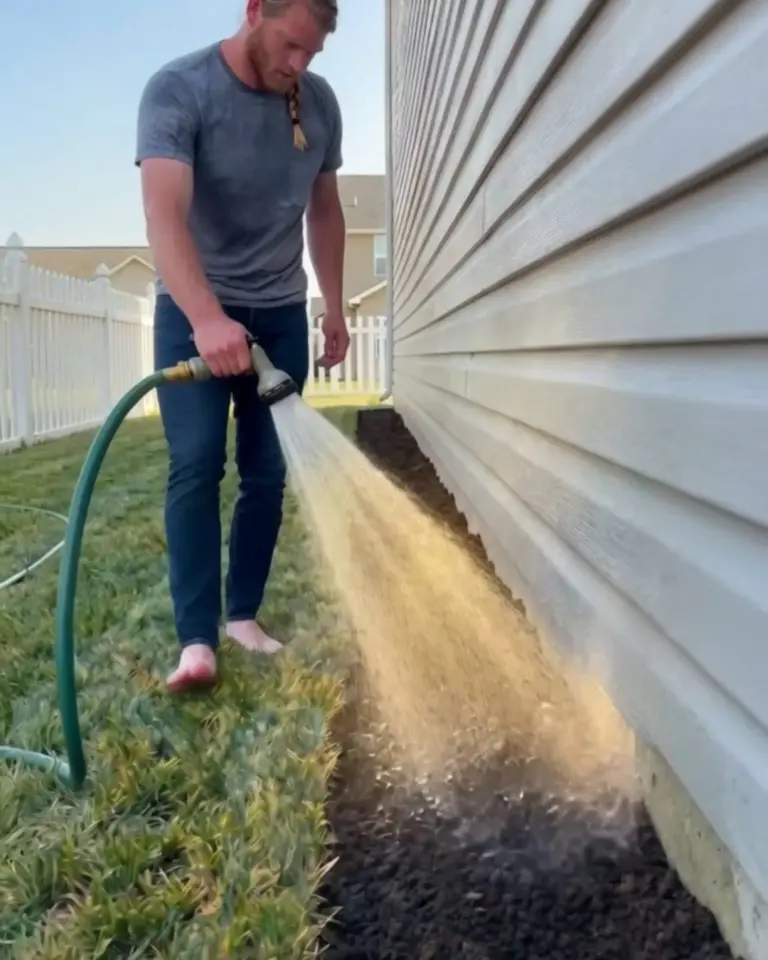
Step 9Thin, then let them bulb
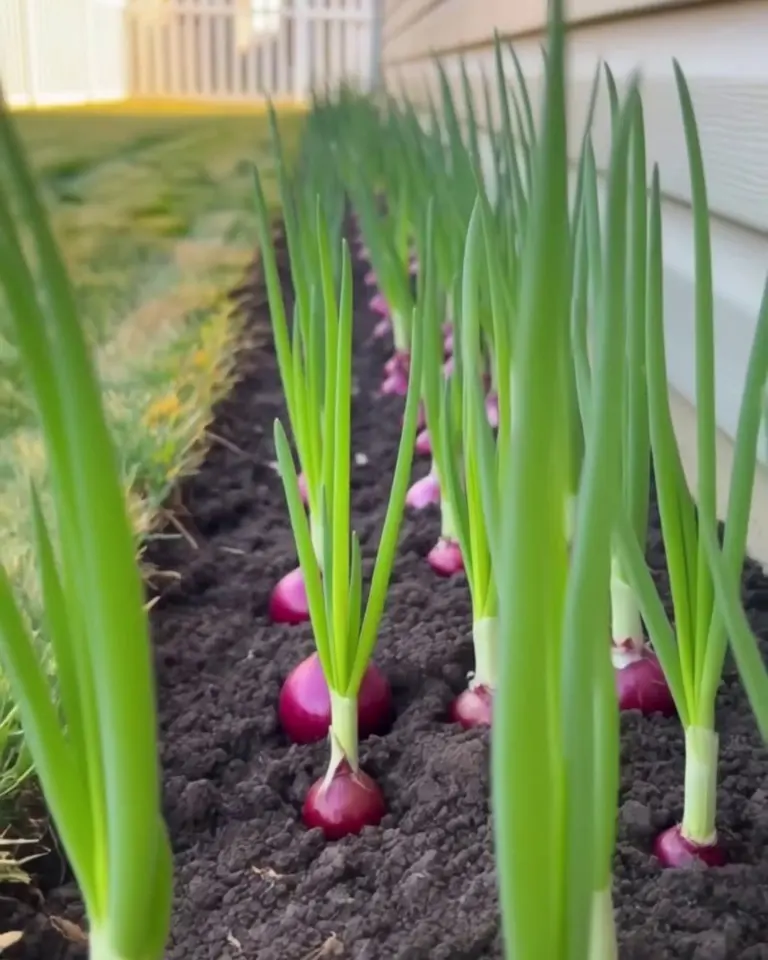
When the shoots are about pencil-thick, pull every other plant for green onions, leaving the rest 3 to 4 inches apart. Feed once more then, and stop watering when the tops start to fall over.
Green onions keep about a week in the fridge with their roots wrapped in a damp paper towel.
Lift them once most tops are down and let them dry in the shade for two weeks before storing.
Where to Grow Red Onions Next Year
The paper flats are gone by harvest. What’s left is a strip of loose, dark soil that’s easy to replant, with a little more compost worked in.
Don’t put onions in the same spot next year; lettuce, beans or marigolds do well there instead. Onions go back in that strip after three or four years, once any onion pests in the soil have died off.
FAQ
Some onions sent up flower stalks
Big sets and cold snaps both cause it. Snap the stalk off and use those onions first; they won’t store well.
The flats were still there when I dug
Paper rots slowly in dry soil. It doesn’t hurt the onions; tear it up and mix it into the bed when you replant.
Can I use foam egg cartons?
No. Foam and plastic never break down, and they hold water against the bulbs, so stick to paper pulp.
Is it safe to water this close to the foundation?
With the soil sloping away and a soaker hose rather than a sprinkler aimed at the wall, it’s a light, even watering. If your basement already takes on water, plant somewhere else.
Can I plant garlic the same way?
We haven’t tried garlic in flats. The cloves are bigger and go deeper, and we don’t know how they’d do in the cells.
The grocery-store onions from the first try made flowers the size of baseballs. The bees liked them.