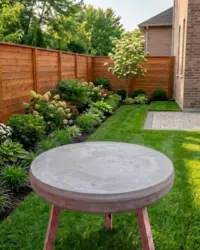
Swabbing the chipped white paint with a lead test took two minutes, and the swab turned pink. We’d already wire-brushed one rail before we thought to test, so that rail’s dust went into a trash bag, not into the rose bed.
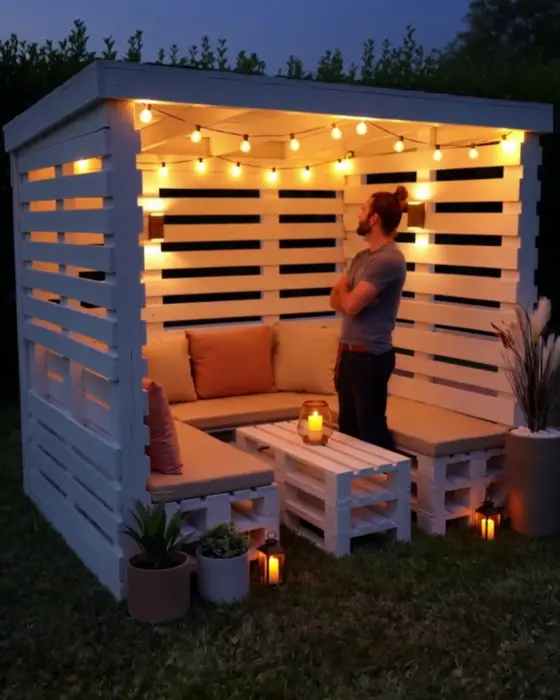
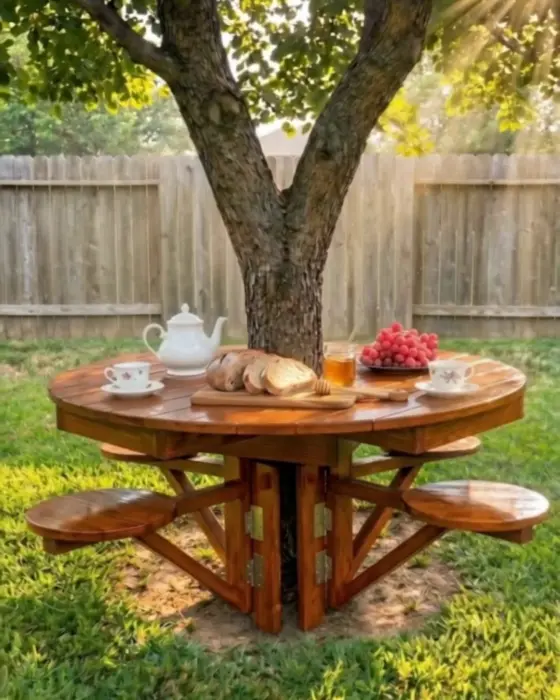
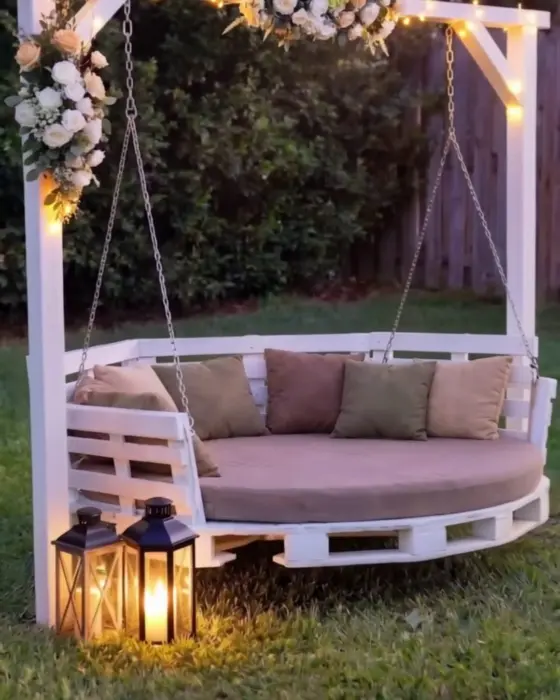
You’ll also love: How to Build a Pallet Cabana with a Bench and String Lights, How to Build a Round Pine Picnic Table Around a Tree, How to Build a Round Pallet Swing Bed with a Timber Frame.
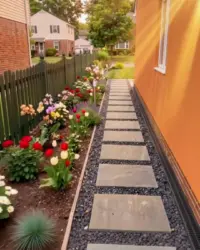
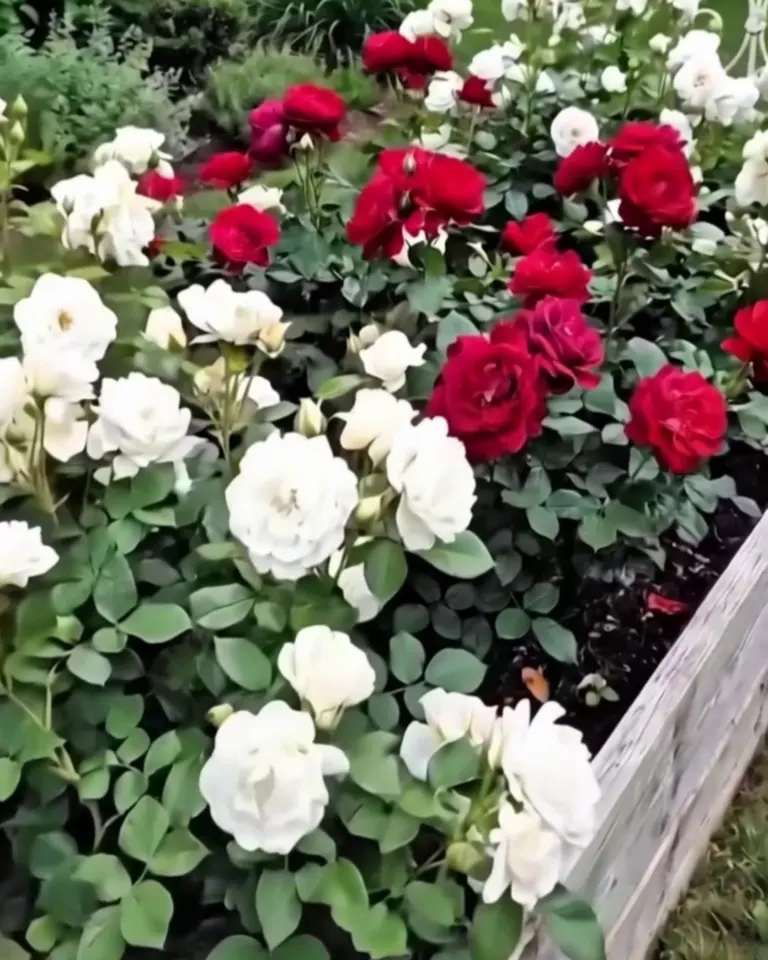
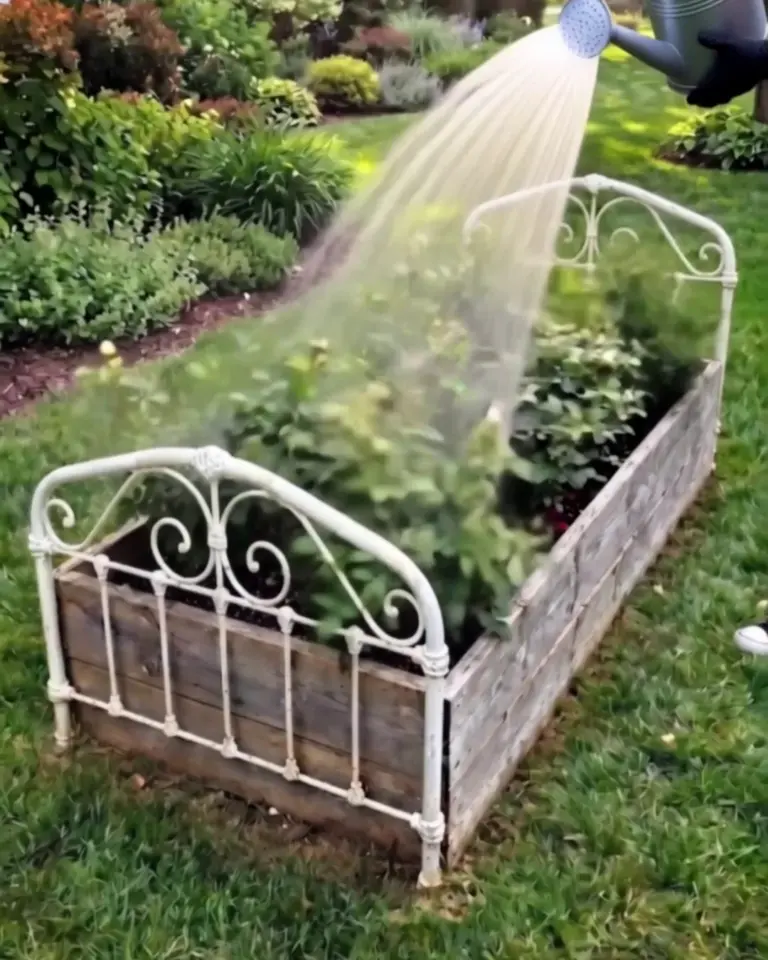
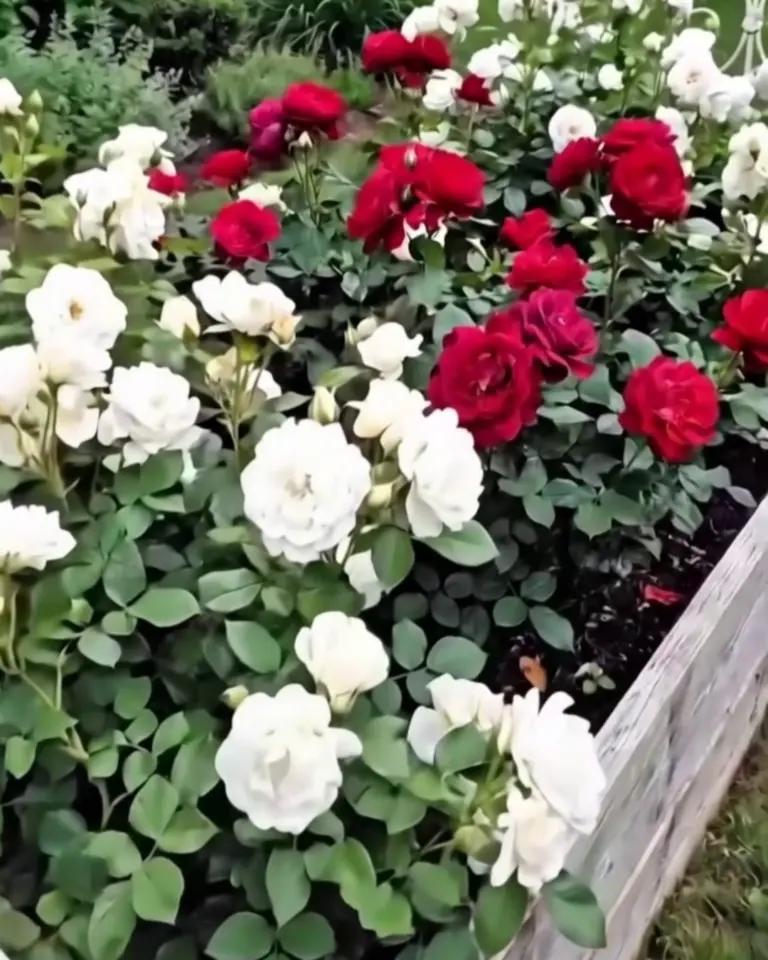
Our bed frame garden bed is a twin iron headboard and footboard set at the ends of a wooden box 39 inches wide and 75 long, filled with compost and topsoil and planted with six roses, red and white.
A neighbor said it looked like someone had tucked the roses in for the night, then asked whether we’d be needing pillows.
Bare-root roses smell like wet sawdust coming out of the bag. The thorns catch every glove seam.
What the Iron Actually Does
The headboard and footboard are the costume. A wooden box between them holds the soil, because soil pours straight through iron bars.
We expected the iron ends to need bolting to something solid. Pushed 4 inches into the ground and strapped to the box corners, they haven’t leaned once.
A twin frame makes a bed you can reach the middle of from either side.
Materials & Tools
Not in the $340: a drill, a saw, a garden fork, a wire brush and a watering can.
Test old paint first: furniture painted decades ago may have lead in it. EPA lists the swab test kits it recognizes for wood and iron; if yours turns color, skip the wire brush and paint over the sound paint instead.
Boards: new treated boards rated for ground contact are made for soil and cost well under half what cedar does. Cedar works too and brings the bed to about $415; skip old treated lumber of unknown age next to plants.
More room: for vegetables beside it, the four tiers of our cinder block pyramid garden fit a lot of planting into a small footprint.
Watch the Build
Step by Step
Step 1Test and refresh the iron
Swab a few spots on each panel. If the test is clear, wire-brush loose rust and flaking paint; if it isn’t, just wash the frame and let it dry.
Then spray a coat of rust-inhibiting primer and a coat of exterior paint, outside, on a still day.

Step 2Stand the headboard
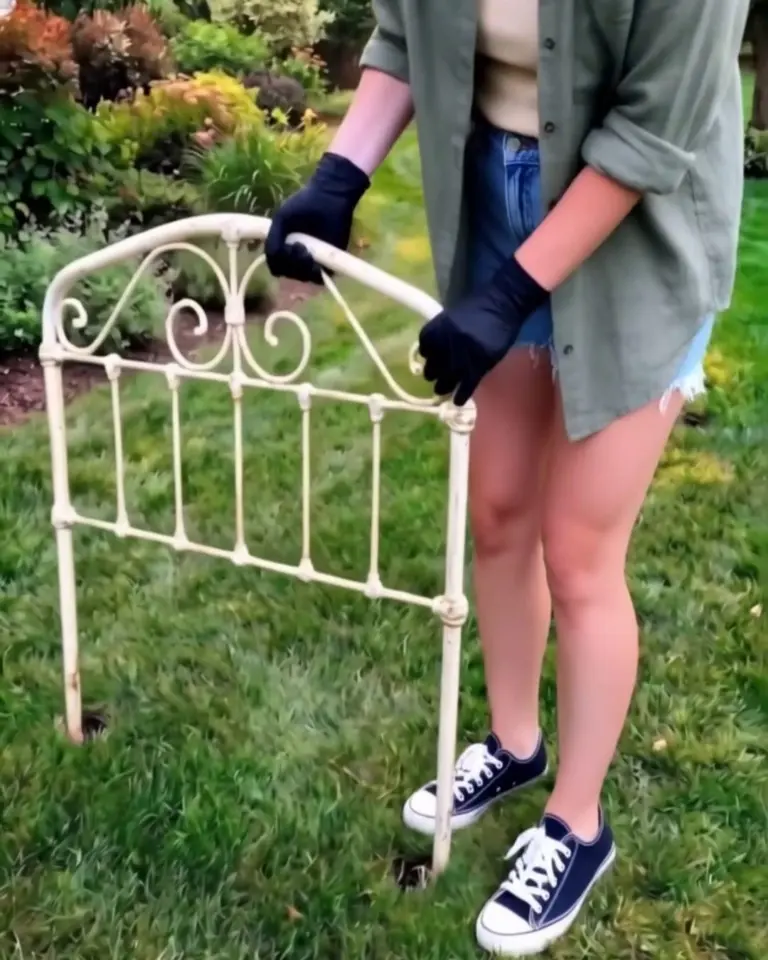
Pick a spot with at least 6 hours of sun and good air flow; roses in still, damp corners get leaf spot. Push the headboard legs about 4 inches into the ground and check it’s plumb.
Step 3Cut the box parts
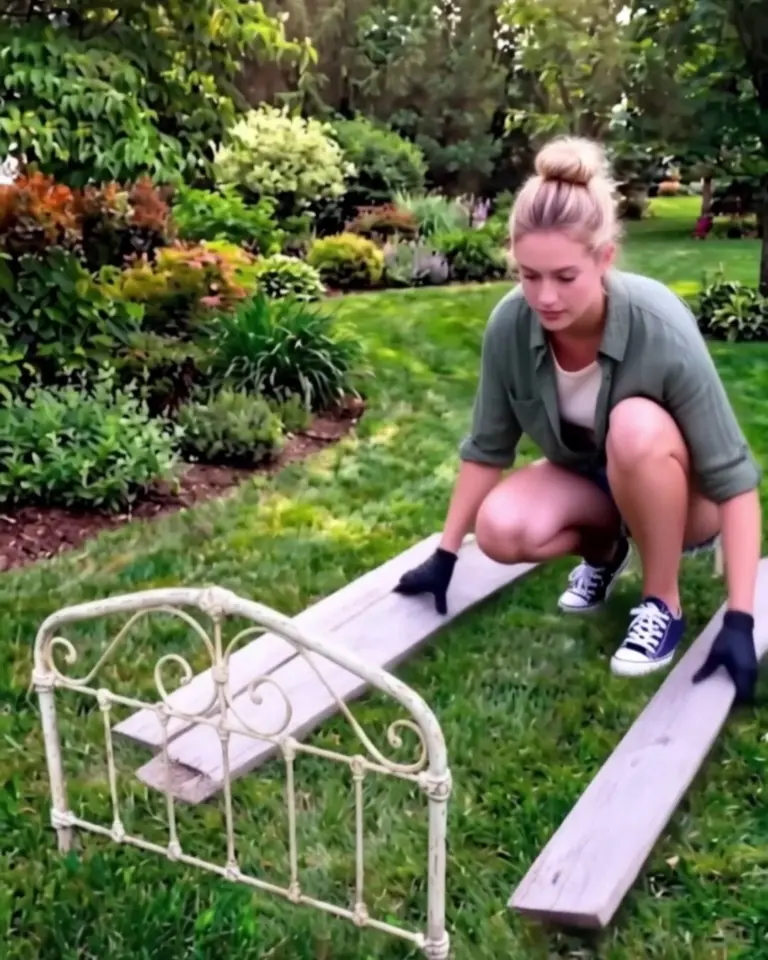
Cut two 75-inch sides and two 36-inch ends from the 2×10s, and four 9-inch posts from the 4×4. Lay the parts out between the headboard and footboard spots.
Measure your frame first. Twin beds run 39 inches wide, but older frames vary by an inch or two, and the box should match the iron.
Step 4Build the box and set the footboard
Screw the boards to the corner posts, three screws per board end, to make a box 39 inches wide outside. Set it tight against the headboard, stand the footboard at the other end, and strap each iron leg to the nearest corner post.
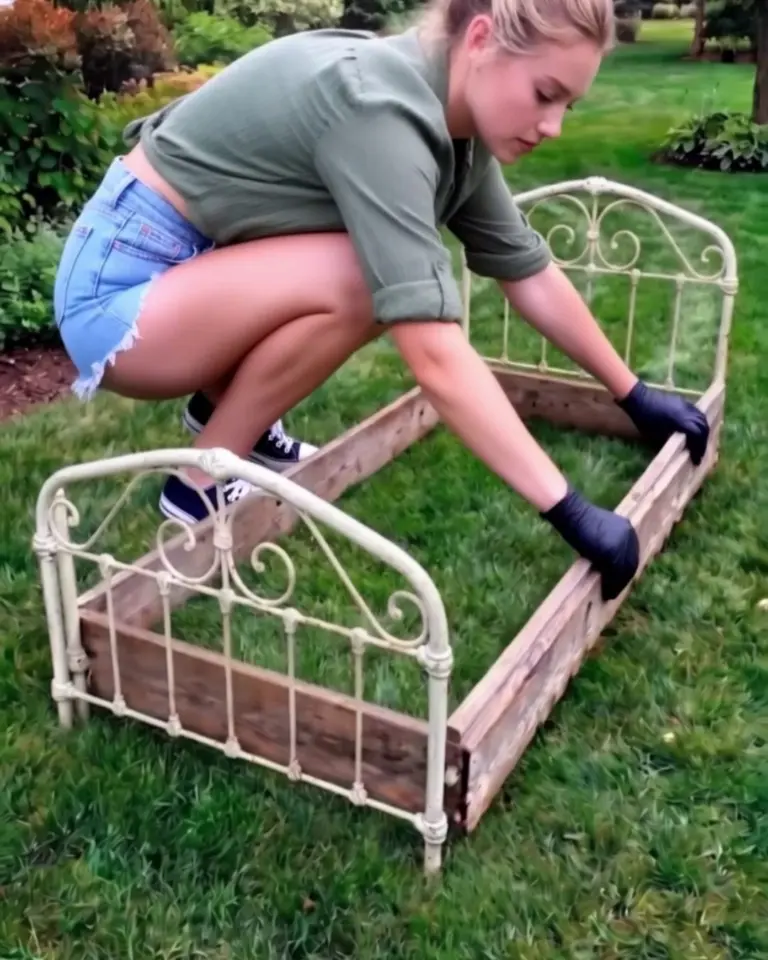
Step 5Loosen the ground
Slice the grass off inside the box, or smother it with cardboard. Push a garden fork in as deep as it goes every few inches and rock it back, so rose roots can go below the box.
A box 10 inches deep isn’t enough on its own for roses; loosened ground underneath gives them another foot to work with.
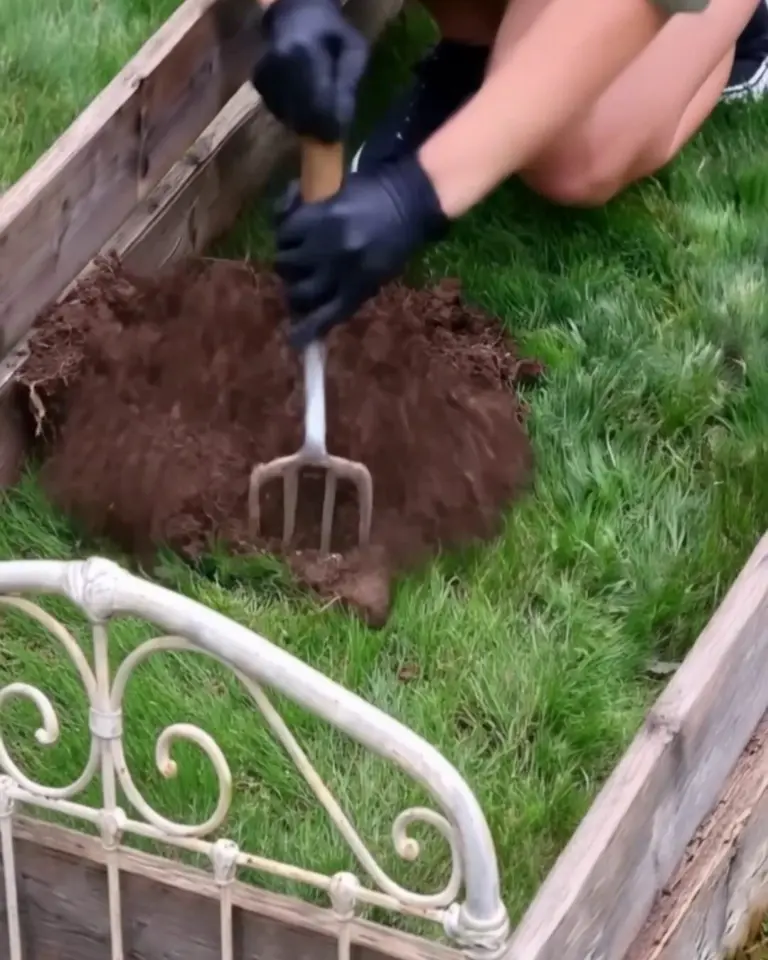
Step 6Fill it
Mix the compost and topsoil half and half and fill the box to an inch below the rim. Twelve bags come to about 18 cubic feet, enough for the settling.
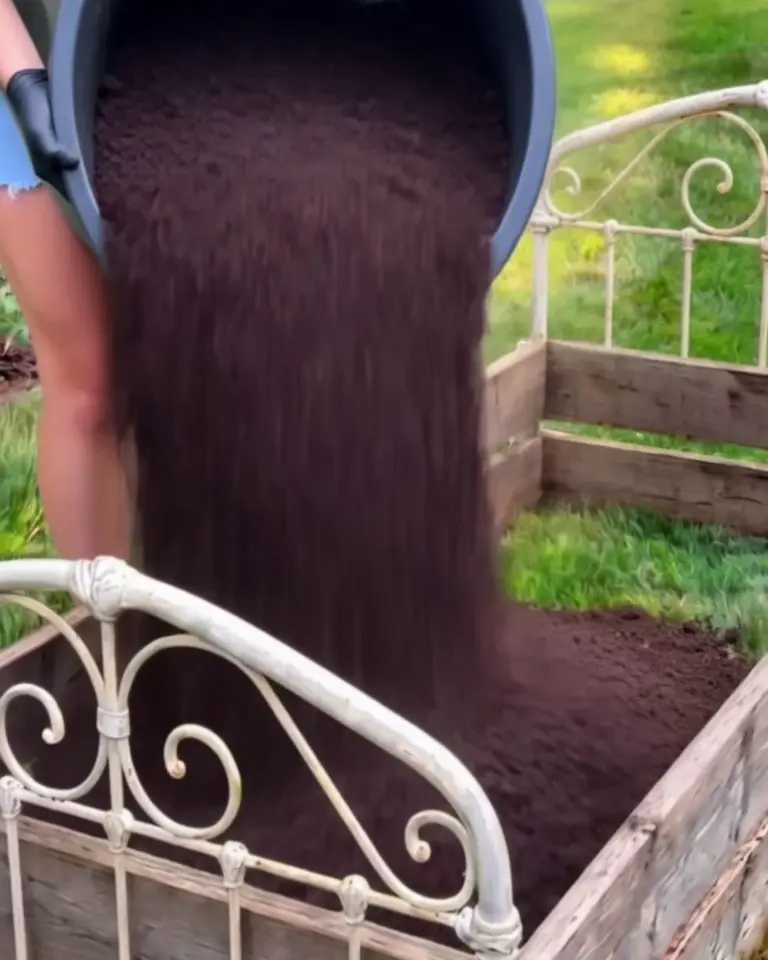
Step 7Plant the roses
Soak the bare roots in a bucket of water for a few hours. Plant them in two staggered rows, about 2 feet apart, each over a small cone of soil with the roots spread down its sides.
Where winters are cold, set the knobby graft just below the surface; in mild places, level with it.
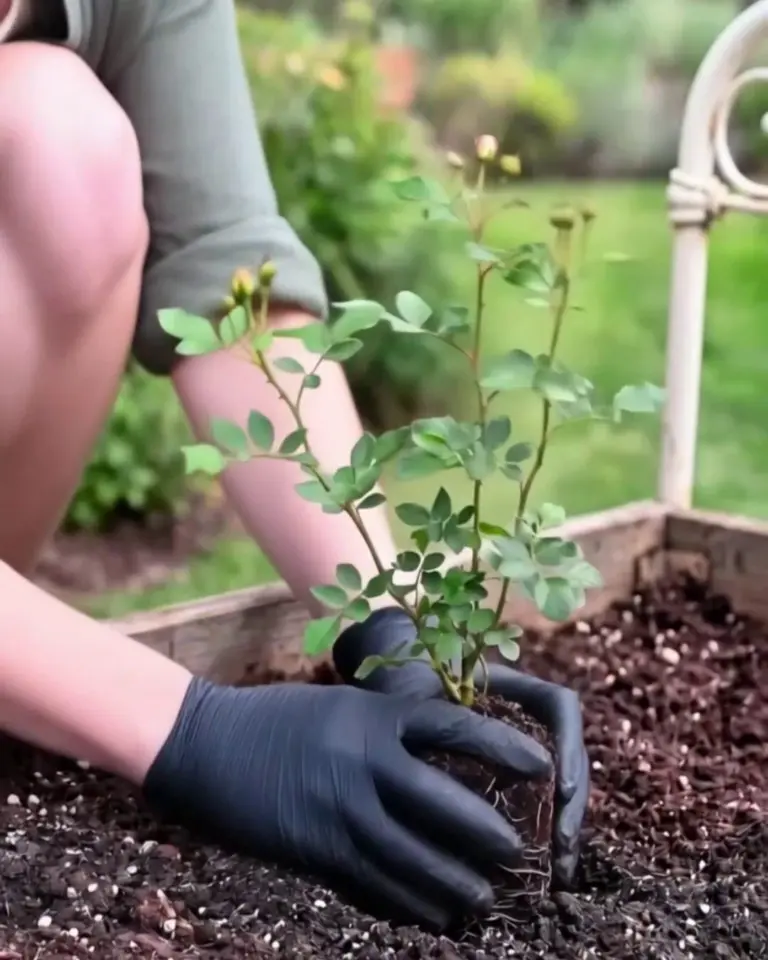
Step 8Water and mulch
Water slowly until the soil is soaked all the way down, then spread 2 inches of bark mulch, kept a hand’s width back from each cane. After that, about an inch of water a week, aimed at the soil, not the leaves.
Step 9Deadhead and enjoy
Snip spent flowers back to the first leaf with five leaflets and the shrubs keep blooming in waves. By the end of the first summer, they’ll fill the bed edge to edge.
Feed them with a rose fertilizer in spring and again after the first flush of flowers, then stop by late summer so new growth can harden before frost.
How the Bed Frame Garden Bed Holds Up
The iron rusts where paint chips, mostly at the feet that sit in the soil. Touch up those spots each spring.
Treated boards fade to gray, and the ground-contact rating is what keeps the bottoms from going soft. Add 2 inches of compost each spring as the soil settles.
FAQ
The headboard leans after rain
The legs are in soft soil. Drive a short length of rebar beside each leg and strap the leg to it, as well as to the box.
Black spots on the rose leaves
That’s black spot, a fungus that likes wet leaves. Water at the base in the morning, pick up fallen leaves, and choose resistant varieties when you replace a plant.
Can I use a wooden bed frame?
Yes, painted for outdoors, though it won’t last like iron. Treat the legs with extra care; they sit in wet soil all year.
What else grows well in it?
Lavender, catmint and low annuals at the edges look good with roses. Vegetables work too, as long as the frame’s paint tested clear.
Do the roses need winter protection?
It depends on the variety and the climate. We haven’t wintered these in a cold zone yet, so we don’t know how they’ll do there.
The pink swab is taped inside the shed door, next to the date. It’s the first thing anyone asks about.